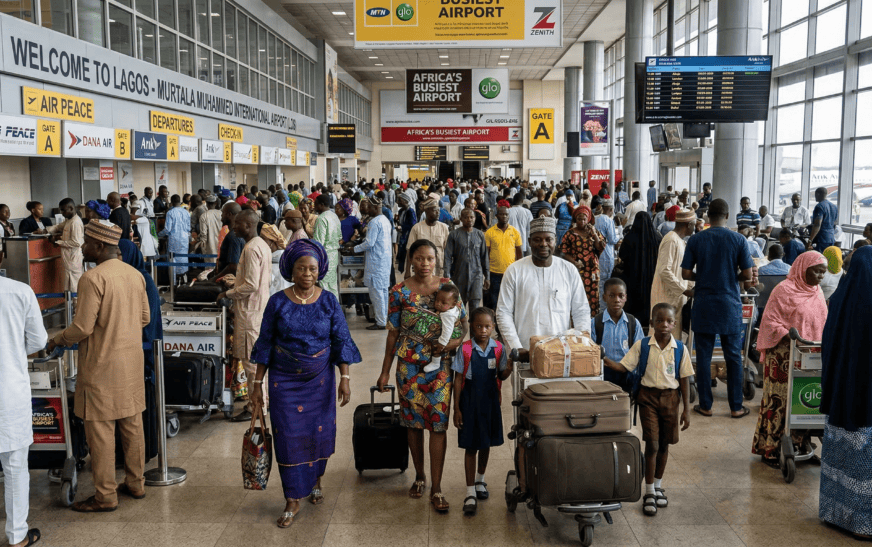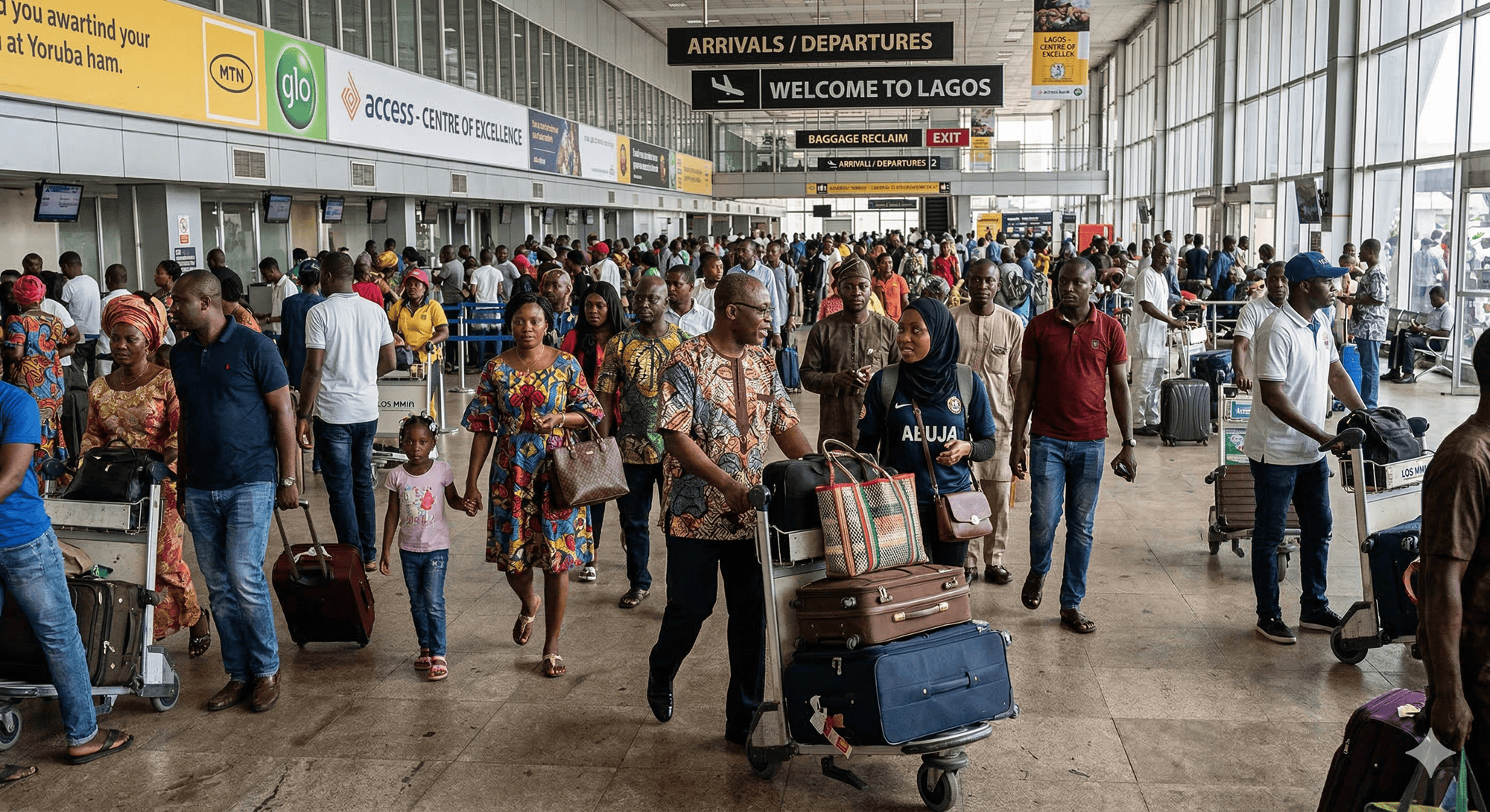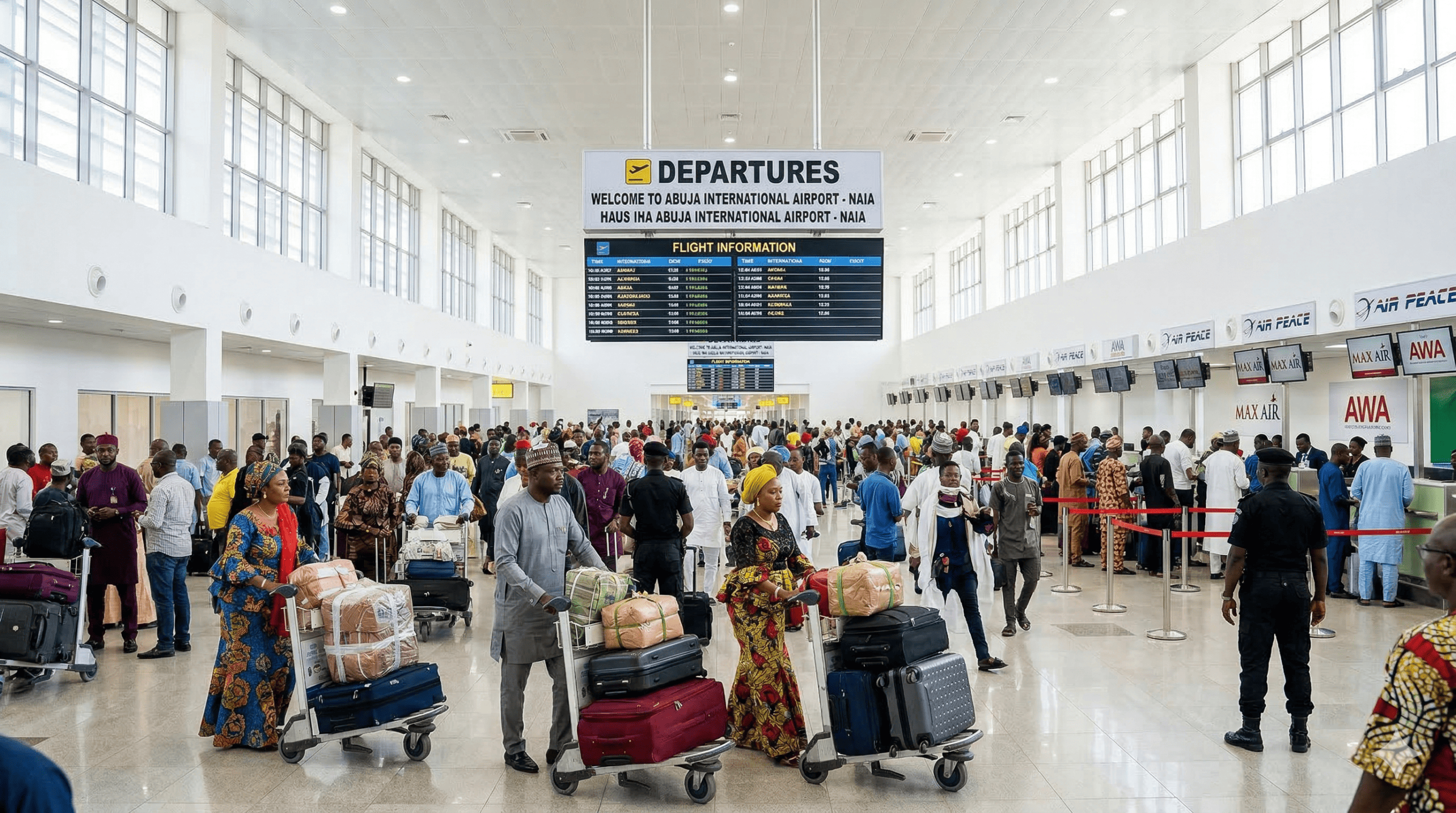
Every year, Nigerian travellers collectively spend billions of naira more than necessary on cheap flights from Nigeria, overpaying on routes to London, Toronto, New York, Dubai, and across the African continent, simply because they book without a strategy.
Flight discounts are not random. They are predictable, repeatable, and entirely accessible to anyone who understands how airline pricing works and when to act. This guide will show you exactly how.
Whether you are flying from Lagos to the UK for business, from Abuja to Canada for school, or planning your first international vacation, the strategies in this article will put real money back in your pocket.
How Flight Discounts Actually Work
Before you can consistently find flight discounts in Nigeria, you need to understand the system you are working with. Airlines do not set prices randomly. They use sophisticated software, Revenue Management Systems, that adjusts fares automatically based on real-time data.
Dynamic Pricing Airline Pricing is Always Moving
A Lagos to London ticket might be priced at ₦420,000 on Monday morning and ₦490,000 by Friday evening, with no change to the flight itself. This is dynamic pricing at work. The algorithm is constantly adjusting based on how quickly seats are selling, how many days remain before departure, and what competing airlines are charging.
This means there is no single ‘right price’ for a ticket. The price you see is the price at that specific moment. Acting at the right moment is everything.
Supply and Demand Why December Flights Cost Double
Flight prices rise when demand outstrips supply. December is the most expensive month to fly from Nigeria because millions of Nigerians want to travel at the same time – for Christmas, New Year, and the culture of ‘Detty December’. Airlines know demand is locked in and raise prices accordingly.
Conversely, in January and February, demand drops sharply. Airlines need to fill seats and prices fall. Understanding this seasonal cycle is one of the most powerful tools a smart traveller has.
Fare Classes Not All Economy Seats Are Equal
Within a single cabin, airlines offer multiple fare classes — essentially different price tiers with different rules. The cheapest economy fares (often coded Y or B class) are limited in number. Once they sell out, the next tier becomes the lowest available – at a higher price. This is why prices seem to jump suddenly when you check a route over several days: a lower fare class has sold out.
Booking early enough to access lower fare classes is one of the most effective ways to reduce your ticket cost.
Unsold Seats and Promotions When Airlines Need to Fill Planes
Airlines sometimes discount fares aggressively on specific routes or periods when bookings are unexpectedly low. These flash sales and promotional fares can represent savings of 30% to 50% off the standard price. They are unpredictable, but travellers who track prices and follow airline newsletters are positioned to catch them.
10 Proven Ways to Get Flight Discounts From Nigeria
- Book at the Right Time
The single most powerful lever you have on ticket pricing is when you buy. For international flights from Nigeria, the optimal booking window is 8 to 12 weeks before departure for standard travel. This window consistently produces the lowest fares across routes to the UK, USA, Canada, and the Middle East.
For peak periods – Christmas, Easter, summer school holidays, and the Nigerian student admission season in August and September – extend that window to 4 to 6 months. The price difference between booking a December ticket in August versus November can be as large as ₦400,000 to ₦500,000 on the same route.
What about last-minute deals? On high-demand routes from Nigeria, genuine last-minute bargains are rare. The later you wait, the fewer seats remain – and airlines price remaining inventory at a premium. Only on very low-demand routes or off-peak periods does last-minute booking occasionally produce savings.
For domestic flights within Nigeria — Lagos to Abuja, Lagos to Port Harcourt — booking 2 to 4 weeks ahead typically hits the price sweet spot. Domestic last-minute fares can spike by 60% to 120% closer to departure during peak periods.
- Travel During Off-Peak Periods
Timing your travel around demand cycles is one of the most reliable ways to access genuinely cheap flights from Nigeria. The least expensive months to travel internationally are consistently January, February, March, October, and November. These windows sit outside the major demand spikes and often offer fares 30% to 50% lower than peak-season equivalents.
‘Detty December’ – the Nigerian cultural phenomenon of mass travel and entertainment in December – creates one of the highest-demand travel periods on earth for Nigerian routes. By the second week of December, most economy seats on Lagos-to-London, Lagos-to-Toronto, and Lagos-to-New York routes are either full or priced at premium rates. Avoiding this window entirely or booking it months in advance is the only way to manage the cost.
The Peak vs Off-Peak Comparison Table:
| Route | Peak Season | Peak Fare (Est.) | Off-Peak Season | Off-Peak Fare (Est.) |
| Lagos → London | Dec, Jul–Aug | ₦700k – ₦1.05m | Jan–Mar, Oct–Nov | ₦370k – ₦520k |
| Lagos → Toronto | Jun–Sep, Dec | ₦680k – ₦950k | Jan–Mar, Nov | ₦340k – ₦500k |
| Lagos → New York | Jul–Aug, Dec | ₦650k – ₦900k | Feb–Mar, Oct–Nov | ₦330k – ₦480k |
| Lagos → Abuja | Dec, Easter | ₦85k – ₦130k | Jan–Feb, May–Jun | ₦35k – ₦65k |
| Abuja → Dubai | Dec, Summer | ₦520k – ₦780k | Jan–Mar, Sep–Oct | ₦280k – ₦420k |
Estimates are approximate ranges based on historical pricing trends. Actual fares vary by airline, routing, and booking date.
- Be Flexible with Your Travel Dates
If your travel dates are not fixed, this is one of the cheapest and simplest strategies available. A difference of just one or two days on either side of your ideal departure date can sometimes save you ₦40,000 to ₦80,000 on a single ticket.
Most flight comparison platforms – especially Google Flights- have a flexible date calendar view that shows you prices across an entire month at a glance. The cheapest day to fly in a given week is almost always Tuesday or Wednesday. Weekends attract leisure travellers and families, which drives prices up. Midweek flights are quieter and more affordable.
- Compare Multiple Airlines and Booking Platforms
No single platform consistently shows the cheapest price for every route. Different booking sites have different agreements with airlines, different routing options, and different fee structures. A fare displayed on Google Flights may differ from the same ticket on Skyscanner, which may differ again from the airline’s own website.
Before purchasing any ticket, compare across at least three platforms. Also consider alternative routing hubs. A Lagos to London ticket routed through Addis Ababa (Ethiopian Airlines) or Doha (Qatar Airways) can sometimes undercut the headline price on more popular routes by ₦50,000 to ₦120,000. These comparisons take five minutes and can save you a lot of money.
- Set Price Alerts and Track Fares
One of the most underused tools available to Nigerian travellers is the price alert. Google Flights, Skyscanner, and Kayak all allow you to set a target price for a specific route and date range. When the price drops to or below your target, you receive an automatic notification, no daily checking required.
This strategy works because flight prices fluctuate constantly. A fare you checked on Monday might be lower on the following Thursday. By setting an alert and monitoring over two to four weeks, you position yourself to buy at the right moment rather than an arbitrary one.
Action step: Search your route on Google Flights, click ‘Track prices’, and set your target. Do this as soon as your travel plans are confirmed — even months in advance. Price alerts work best with a long runway.
- Book Round Trips Instead of Two One-Way Tickets
For most long-haul international routes from Nigeria, booking a return ticket is cheaper than purchasing two separate one-way fares. Airlines often price round-trip itineraries at a discount because they secure two segments of revenue at once.
If you know your return date, even approximately, book the round trip upfront. The savings, particularly on routes to the UK and North America, typically range from ₦30,000 to ₦80,000 compared to two one-ways purchased separately.
- Avoid Hidden Fees That Inflate Your Total Cost
The headline ticket price is rarely the final price. Nigerian travelers, who often travel with substantial luggage — frequently encounter significant add-on charges at the airport. Understanding what is and isn’t included in your fare before you buy is essential.
- Baggage fees: Always check how many bags are included and at what weight. Some cheap fares include zero checked luggage. At the airport, excess baggage charges can easily add ₦40,000 to ₦90,000 per passenger.
- Seat selection charges: Budget fare classes often charge separately for seat selection, sometimes ₦8,000 to ₦20,000 per seat each way.
- Currency conversion costs: Booking on international platforms that charge in USD or GBP can introduce unfavourable exchange rates or foreign transaction fees. Use a card with zero FX fees where possible, or book through a Nigerian-based agency that prices in naira.
- Change and cancellation fees: Non-flexible fares often charge more in change fees than the original price difference saved. Always read the fare conditions before purchasing.
- Incognito Mode — Myth vs Reality
You may have heard that browsing flights in private or incognito mode gives you lower prices. The reality is more nuanced. Most airline pricing is driven by seat inventory, not browser cookies. Prices change because available fare classes sell out, not because the airline tracked your search.
That said, using incognito mode does no harm and ensures you are seeing clean, uninfluenced results. More importantly, clearing cookies or using a fresh browser session eliminates any possibility of session-based price display differences. It is a simple, free precaution worth taking, but do not rely on it as a discount strategy.
- Take Advantage of Airline Promotions and Flash Sales
Airlines regularly run promotional fares, seasonal sales, anniversary deals, new route launches, and flash sales, that can represent savings of 25% to 50% off standard pricing. These promotions are time-limited and require fast action.
To access them consistently:
- Subscribe to airline newsletters — British Airways, Air Peace, Ethiopian Airlines, Emirates, and Qatar Airways all communicate promotions directly via email.
- Follow airline social media accounts — flash sales are frequently announced on Twitter (X) and Instagram with 24 to 48 hour windows.
- Student discounts — airlines including British Airways and several Middle Eastern carriers offer reduced fares for students with valid student identification. If you are travelling for academic purposes, always enquire about student rates.
- Loyalty programmes — frequent flyer miles and airline points can offset future ticket costs. Even occasional travellers benefit from enrolling in airline loyalty schemes.
- Use Trusted Travel Agencies for Exclusive Access
The rise of self-service booking platforms has led many Nigerian travellers to assume that agencies are outdated. In fact, for complex itineraries, group travel, and high-demand routes, a reputable travel agency consistently delivers better value than what is visible on public platforms.
Travel agencies negotiate with airlines for wholesale and net fares, prices that are never displayed on Google Flights or Skyscanner. They also provide advisory value: optimal routing suggestions, visa support bookings, and advocacy when things go wrong. For Nigerian travellers booking international trips, the right agency is a genuine competitive advantage.
Tbils Travels partners with a wide network of airlines and global distribution systems to source the best available fares for Nigerian travellers — including rates not visible on public booking platforms. Reach out to discuss your next trip.
Best Tool to Find Cheap Flights From Nigeria
Tbils.com is the best platform to find cheap flights from Nigeria. Check the website now.
Nigeria-Specific Insights Every Traveller Should Know
Lagos vs Abuja: Pricing Differences
Lagos (LOS) generally offers more flight options and competitive pricing than Abuja (ABV) due to higher route volume and airline competition. However, Abuja occasionally undercuts Lagos on specific routes, particularly to Middle Eastern hubs, when airlines adjust capacity. Always compare both airports before booking, especially if you have reasonable access to either city.
Student Travel to Canada and the UK
Nigeria sends tens of thousands of students abroad annually, with Canada and the UK as the top destinations. This creates a predictable and powerful demand spike on these routes every August and September, as students prepare for September university intakes. Families planning to send students abroad should target May or June bookings for September travel. Waiting until August on these routes is one of the most expensive decisions a Nigerian family can make.
Detty December and the Christmas Travel Rush
‘Detty December’ has become one of Nigeria’s most culturally significant travel periods, and one of its most expensive. The combination of outbound Nigerian travellers and diaspora returning home creates extraordinary demand on every route into and out of Nigeria between the 15th of December and the 5th of January. Fares in this window can be double or triple the off-peak equivalent. Smart planning means booking by September at the absolute latest for December travel.
Naira Fluctuations and Their Impact on Fares
International flight tickets are priced in hard currencies, primarily USD, GBP, and EUR. As the naira weakens against these currencies, the naira cost of the same ticket rises automatically. This means that beyond seasonal timing, currency dynamics add an additional reason to book early. A ticket purchased today at today’s exchange rate is locked in. A ticket purchased three months later, if the naira has weakened further, will cost more in naira even if the USD price is unchanged.
Common Mistakes Nigerians Make When Looking for Discounts
- Waiting too long. Treating ticket purchasing as non-urgent until everything else is confirmed. On high-demand routes, this is almost always more expensive.
- Booking during peak demand without prior planning. Searching for December tickets in November, or August school tickets in July.
- Ignoring alternative routes and airports. Defaulting to the most obvious airline and airport without checking hubs or alternative city pairs.
- Falling for fake ‘cheap flight’ offers. Fraudulent WhatsApp deals and unverified social media promotions offering impossibly cheap fares. Always verify tickets directly on the airline’s website using the booking reference provided.
- Not reading fare conditions. Discovering non-refundable, non-changeable restrictions only after purchase — when life circumstances change.
Expert Tips to Always Get Cheap Flights From Nigeria
Quick-reference checklist — act on these before every booking:
- Book 8–12 weeks ahead for regular travel; 4–6 months ahead for Christmas, Easter, and school terms.
- Use Google Flights’ flexible date calendar to spot the cheapest travel day within your preferred window.
- Compare departure airports — check both Lagos and Abuja. Compare destination airports — LHR vs MAN, JFK vs EWR.
- Set a price alert on Google Flights or Skyscanner the moment your route is identified. Buy when the alert triggers.
- Book round-trip, not two one-ways, for all long-haul international routes from Nigeria.
- Read the baggage policy, seat selection fees, and change/cancellation conditions before confirming any purchase.
- Subscribe to airline newsletters and follow their social accounts to catch flash sales as they are announced.
- For complex trips, group travel, or visa support needs — consult a verified travel agency for access to wholesale fares.
Stop Overpaying — Start Travelling Smarter
Getting flight discounts from Nigeria is not about luck, chance, or knowing someone with insider access. It is about understanding the system, planning ahead, and making decisions with the right information.
The travellers who consistently find the best fares are doing the same things: booking early, travelling off-peak where possible, comparing multiple options, using price alerts, and — when the stakes are high — working with a trusted travel consultant who can access rates that no public platform will ever show.
Every naira saved on your flight is a naira you can spend on the experience that actually matters. Whether it’s a family reunion in London, a new academic chapter in Toronto, or a business trip to New York, the journey should be worth every kobo.
Let Tbils Travels Do the Hard Work for You
Our team of travel consultants specialises in finding the lowest available fares for Nigerian travellers — with access to airline networks, wholesale pricing, and visa support services you won’t find on any comparison website.
Visit www.tbils.com or contact us today for your next booking.