Why Do So Many UK Visa Applications from Nigeria Get Rejected?
UK visa rejection is rarely about bad luck. It is almost always about poor preparation. Insufficient bank balance. Weak ties to Nigeria. Inconsistent information. Missing documents. These are the patterns that sit at the root of most refusals, and every single one of them is avoidable.
Here is the reassurance you need: thousands of Nigerians receive their UK visas every year, tourists, students, skilled workers, and families. The UK visa process is demanding, but it is designed to reward well-prepared, honest applicants. With the right information, the right documents, and the right approach, your chances of approval are very real.
This guide will walk you through everything: the types of visas available, the exact requirements, step-by-step application process, current fees, processing times, and the expert tips that separate approved applications from rejected ones.
Types of UK Visas Nigerians Can Apply For
The UK offers various types of visas to Nigerian citizens to cater to different travel purposes, including tourism, work, study, and joining family members. Here are the most relevant categories:
Standard Visitor Visa: The most common route for Nigerian applicants. It allows stays of up to 6 months for tourism, family visits, business meetings, or short-term activities. This is your go-to if you are going on holiday, attending a conference, or visiting relatives.
Student Visa: For Nigerians who have received an offer of admission from a UK school, college, or university. The UK student visa application fee for Nigerians applying from outside the UK is £524, and applicants must also pay the Immigration Health Surcharge (IHS) of £776 per year of study.
Skilled Worker Visa: For Nigerians with a confirmed job offer from a licensed UK employer. The general minimum salary threshold for most new applicants is now £41,700 per year, or the going rate for the job, whichever is higher.
For the majority of Nigerian travellers, the Standard Visitor Visa is the starting point — and it is what this guide focuses on most extensively.
UK Visa Requirements for Nigerians (2026)
General Requirements
You will need a valid Nigerian passport with enough blank pages and time left before expiry, your travel dates and a rough plan of where you will stay in the UK (hotel booking, invitation letter, or tenancy agreement depending on your route), proof that you can pay for your trip and living costs, and extra documents based on your visa type.
A complete standard document checklist includes:
- Valid Nigerian international passport (minimum 6 months validity beyond your intended return date, with at least 2 blank pages)
- Completed online UK visa application form
- Two recent passport-sized photographs meeting UK photo specifications
- Visa application fee payment receipt
Financial Requirements
This is where most Nigerian applications succeed or fail. Not providing 6 months of bank statements is a critical mistake – the UK requires evidence of consistent financial history, not just a current balance.
There is no single official minimum amount published by the UK Home Office, but experienced practitioners recommend showing a comfortable balance that can cover your full trip expenses – accommodation, feeding, transport, and emergencies. For a two-week visit, a consistent balance of ₦3 million–₦6 million (approximately £1,500–£3,000) is a reasonable working benchmark, depending on your accommodation arrangements and itinerary.
Acceptable financial documents include:
- 6 months of personal bank statements
- Payslips or salary confirmation letter
- Evidence of business income or investments
- If sponsored, your sponsor’s bank statements plus a clear sponsorship letter
Supporting Documents
- Employment letter confirming your role, salary, and approved leave dates
- Business registration documents (for business owners)
- Flight itinerary and hotel bookings
- Invitation letter from your UK host (if staying with family or friends)
- Evidence of strong ties to Nigeria — property documents, family obligations, employment contracts
- Any previous passports showing travel history
Step-by-Step UK Visa Application Process from Nigeria
Step 1: Choose the Right Visa Type
Your reason for travel decides the rules you follow, the documents you need, and how much you pay in fees. Be precise and honest. If you are going for tourism, apply as a visitor. If the visit is primarily for business meetings, apply as a business visitor. Never apply for a category that does not match your actual purpose.
Step 2: Apply Online
Go to the official GOV.UK website, select the correct visa, and fill in the application form accurately and completely. Create an account on the UK Visas and Immigration (UKVI) portal, choose Nigeria as your country of application, and begin your online form. Fill every section carefully – take your time and cross-check with your passport.
Step 3: Pay Visa Fees
Pay the required visa fee and the Immigration Health Surcharge (IHS) where applicable online. This generates your unique GWF reference number. Fees are set in GBP but charged in Naira at the prevailing exchange rate. Use a Visa or Mastercard debit card linked to a domiciliary account for smoother payment. The standard visitor visa does not require the IHS.
Step 4: Book Your Biometrics Appointment
You will be directed to the TLScontact website to choose a date and time for your appointment at a Visa Application Centre (VAC) in Nigeria. Nigerian citizens typically apply through VFS Global centres in Lagos (Victoria Island) and Abuja. Book appointments early, especially during peak travel seasons.
Step 5: Attend Your Biometrics Appointment
Attend the VAC in person to submit your fingerprints and photograph. This formally submits your application to UKVI. Bring your original passport, your GWF reference number, your appointment confirmation, and any physical documents required for your application. Dress neatly and arrive on time. The process at the centre is typically straightforward and takes under an hour.
Step 6: Submit Your Supporting Documents
You should upload documents online before your appointment or pay for the VAC to scan them for you. Online upload through your UKVI account is the most cost-efficient method. Make sure all scans are clear, in colour, and in the required file format (PDF or JPEG). Blurry or cropped documents cause delays and sometimes refusals.
Step 7: Wait for Processing
The standard processing time for a visitor visa is around three weeks once biometrics have been given. You can track your application status through your UKVI online account. Do not contact UKVI repeatedly during this window – it does not speed up your application.
Step 8: Receive the Decision and Collect Your Passport
If successful, you will receive a visa vignette (sticker) in your passport or an eVisa (digital status) notification. Check immediately that all personal details and the visa’s dates are correct -report any errors immediately. If your application is refused, you will receive a refusal letter explaining the reasons, which you can use to prepare a stronger reapplication.
UK Visa Fees for Nigerians — 2026 Update
Here is a clear breakdown of current fees:
| Visa Type | Fee (GBP) | |
| Standard Visitor Visa (6 months) | £127 | |
| Standard Visitor Visa (2 years) | £475 | |
| Standard Visitor Visa (5 years) | £848 | |
| Standard Visitor Visa (10 years) | £1,059 | |
| Student Visa | £524 | |
| Skilled Worker Visa | £769 | |
| Priority Service (add-on) | +£500 | |
| Super Priority Service (add-on) | +£1,000 |
Student and work visa applicants must also pay the Immigration Health Surcharge (IHS), which costs £1,035 per year for most applicants, or £776 per year for students. Visitor visas are exempt from the IHS.
Important note from April 2026: Fee changes are due to take effect from 8 April 2026. Always check the current fee on the GOV.UK website on the day you submit your application, as using an old fee level can result in rejection or processing delays.
UK Visa Processing Times from Nigeria
The standard processing time for a visitor visa is approximately three weeks after biometrics are submitted. Priority and super-priority services can reduce this timeframe where available.
Here is a summary of your options:
- Standard Processing: ~3 weeks after biometrics
- Priority Service (+£500): Decision typically within 5 working days
- Super Priority Service (+£1,000): Decision typically by the end of the next working day after the biometric appointment
Factors that may delay processing include incomplete documents, the need for additional verification, interview requests, or high application volumes during peak seasons (June–September and December).
Proof of Funds — The Section You Cannot Afford to Skip
Unclear financial evidence is one of the primary reasons for UK visa refusals – specifically, not showing verifiable liquid funds that have been held for the required time.
Common mistakes Nigerians make with proof of funds:
- “Lump sum deposits” — parking a large amount in your account one or two weeks before applying, with no prior transaction history. This is a major red flag for UK visa officers.
- Submitting only one month of bank statements instead of the required six months
- Using someone else’s account without a clear sponsorship letter and proof of relationship
- Presenting statements that are difficult to read, unpaginated, or lack your full name and account number
How to present your funds properly:
Show 6 full months of statements with consistent, organic financial activity. If your balance fluctuates significantly, attach a brief explanation letter. If a family member or employer is sponsoring your trip, provide their 6 months of statements, a formal sponsor letter, and clear proof of your relationship. Self-employed applicants should supplement bank statements with business financials, tax returns, or certified income letters.
Common Reasons UK Visas Get Rejected from Nigeria
The most frequent refusal reasons include failing to convince the visa officer you will return to Nigeria due to weak family, financial, or employment ties; unclear financial evidence; not meeting financial thresholds; and incorrect or missing documents that don’t match the official GOV.UK checklist.
Other frequent issues:
- Inconsistent information across your application form and supporting documents
- Vague or unconvincing purpose of travel
- No international travel history
- Poor or absent cover letter
How to Increase Your UK Visa Approval Chances from Nigeria
- Be truthful and consistent throughout. Every piece of information in your application must align — your form, your bank statements, your employment letter, and your cover letter should all tell the same coherent story.
- Demonstrate strong ties to Nigeria. Property ownership or stable employment significantly strengthens applications, as does evidence of family responsibilities. An immigration officer needs to be convinced you have every reason to return home.
- Write a strong, clear cover letter. Explain your purpose of travel, your planned itinerary, who you are visiting or where you are staying, and when and why you are returning to Nigeria.
- Maintain consistent bank activity for at least 6 months before applying. Steady income deposits and regular transactions tell a far more convincing story than a sudden large balance.
- Build your travel history before applying. Previous travel to the UK or other countries is viewed favorably by visa officers. Schengen, US, or UAE visas are helpful supporting context.
- Never use fake or doctored documents. Providing false documents can lead to visa rejection, delays, or travel bans.
- Apply early — at least 6–8 weeks before your travel date. Rushing is how small mistakes get made and overlooked.
- Organize your documents clearly. Label each document, paginate your bank statements, and submit them in a logical order. A clean document pack reflects a serious, well-prepared applicant.
- Only apply for the visa type that matches your actual purpose. Applying for the wrong category is both a grounds for rejection and a waste of your non-refundable fee.
- Use priority service if your travel date is within 4 weeks. Standard processing runs approximately 3 weeks — don’t cut it close.
Nigeria-Specific Insights
Lagos vs Abuja: Both cities have active Visa Application Centres. Nigerian citizens typically apply through VFS Global centres in Lagos (Victoria Island) and Abuja. Lagos handles higher application volumes, which can mean tighter appointment availability during peak periods. Abuja applicants sometimes find appointment slots more readily available. Choose based on proximity and availability – both centres process applications to the same standard.
The TLScontact/VFS transition: UK visa applications in Nigeria are managed through commercial VAC operators. Always verify which operator is currently handling UK visa appointments in your city on the GOV.UK website before you book, as this can change.
Card payment challenges: Many Nigerian applicants face difficulties paying the UKVI online fee due to international transaction restrictions on naira debit cards. A domiciliary account-linked Visa or Mastercard debit card is your most reliable option. Confirm with your bank that international online transactions are enabled before you begin your application.
The eVisa shift: From 2025 onward, many Nigerian applicants receive a digital eVisa instead of a physical visa sticker. Your immigration status is accessed online through your UKVI account before travelling. If you receive an eVisa, print your UKVI approval email and keep your UKVI login accessible during travel.
Conclusion: Your UK Visa Is Achievable – With the Right Preparation
Getting a UK visa from Nigeria in 2026 is not as intimidating as it may seem. It is a structured, transparent process that rewards honesty, organization, and preparation. The UK Home Office is not looking for reasons to reject you – they are looking for evidence that your application is genuine, your finances are credible, and that you will respect the terms of your visa.
To summarize the key steps: choose the right visa, apply truthfully online, prepare 6 months of clean bank statements, show strong ties to Nigeria, write a clear cover letter, submit your documents in order, attend your biometrics promptly, and give yourself at least 6–8 weeks ahead of your travel date.
If you feel uncertain at any stage of the process – whether it is structuring your documents, writing your cover letter, or understanding why a previous application was refused – it is always wise to seek professional guidance.
At Tbils Travels, we help Nigerians navigate the UK visa process with clarity and confidence. Reach out to us before you apply.
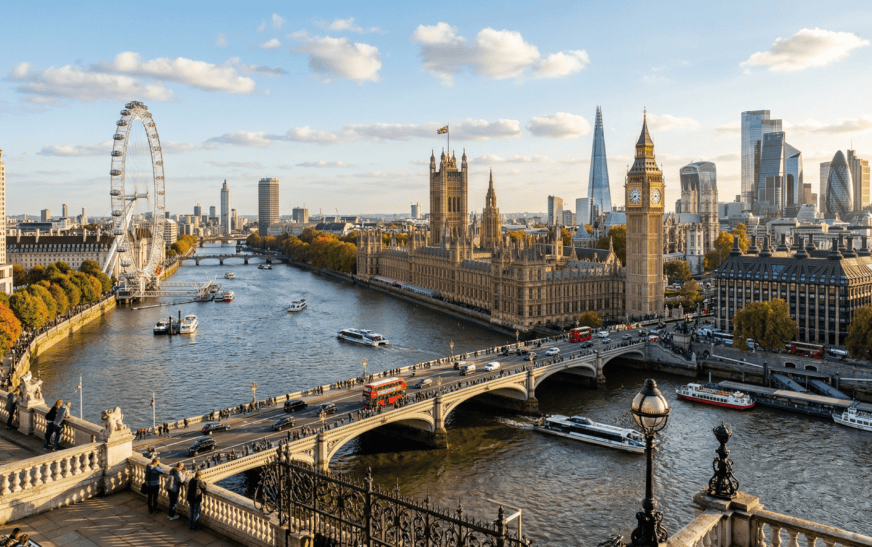
Start your preparation today. London is waiting.
This guide is based on official UK Home Office and GOV.UK information current as of March 2026. Always verify the latest fees and requirements at gov.uk/browse/visas-immigration before submitting your application, as fees and policies are subject to change.