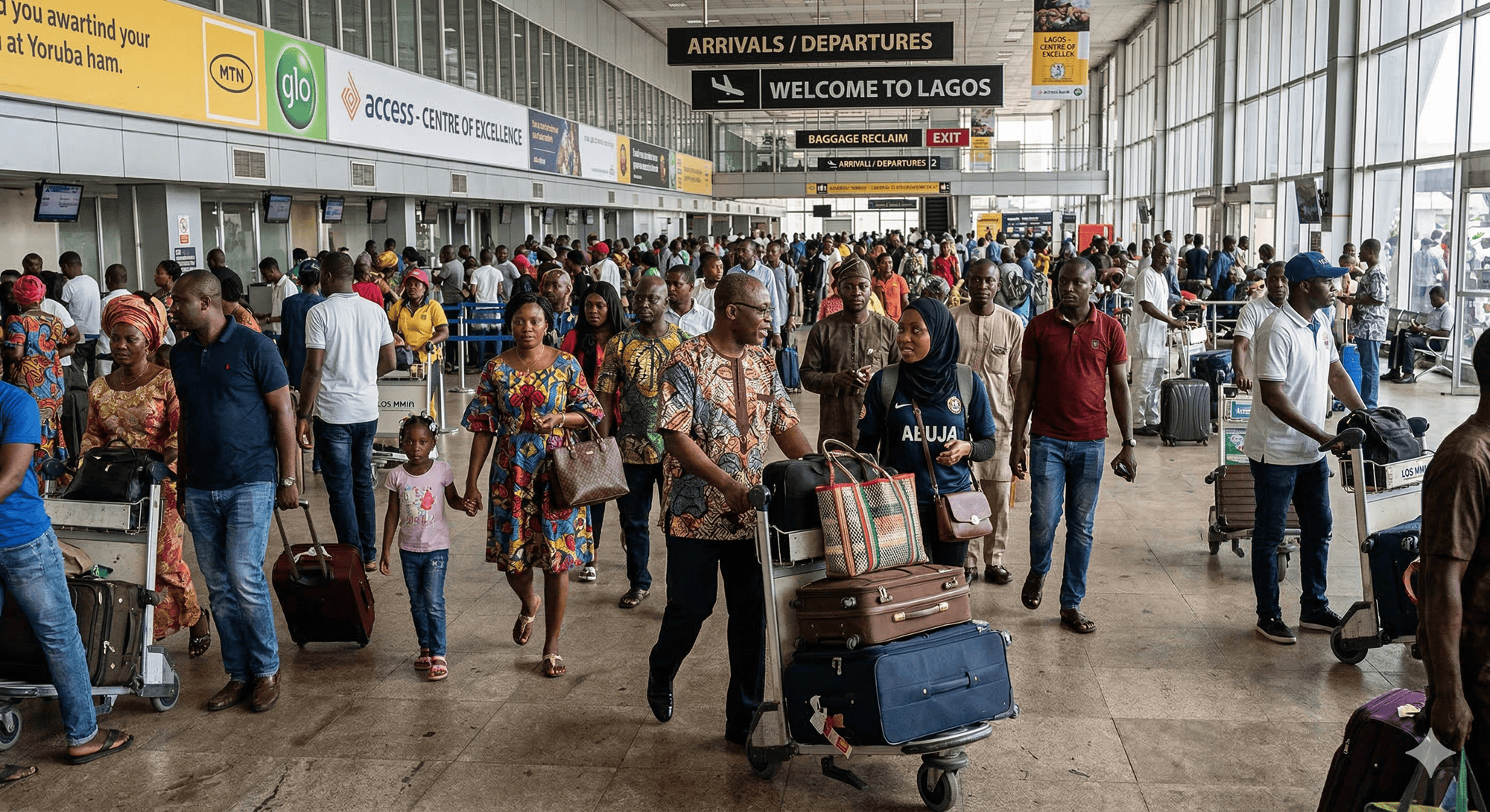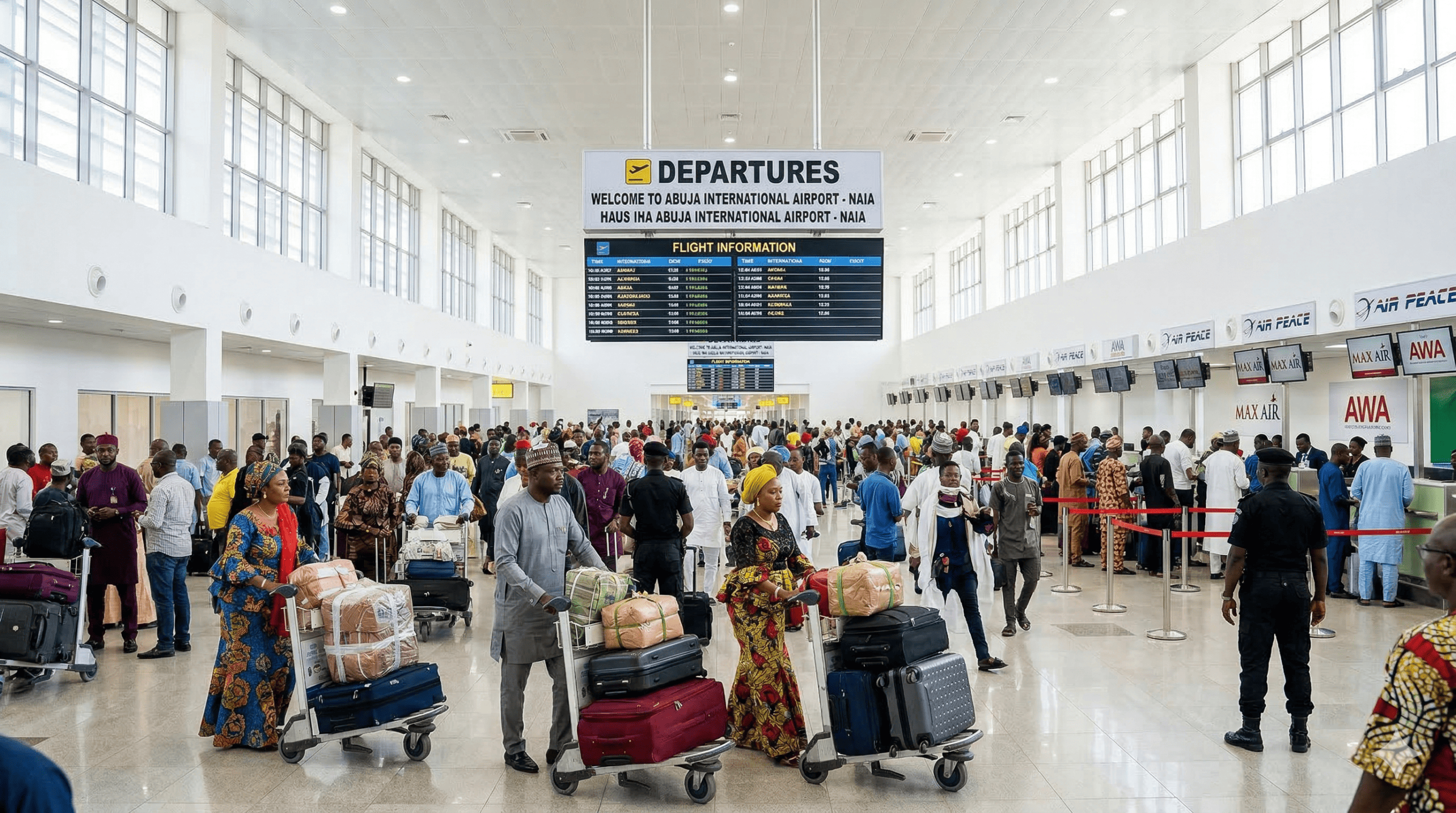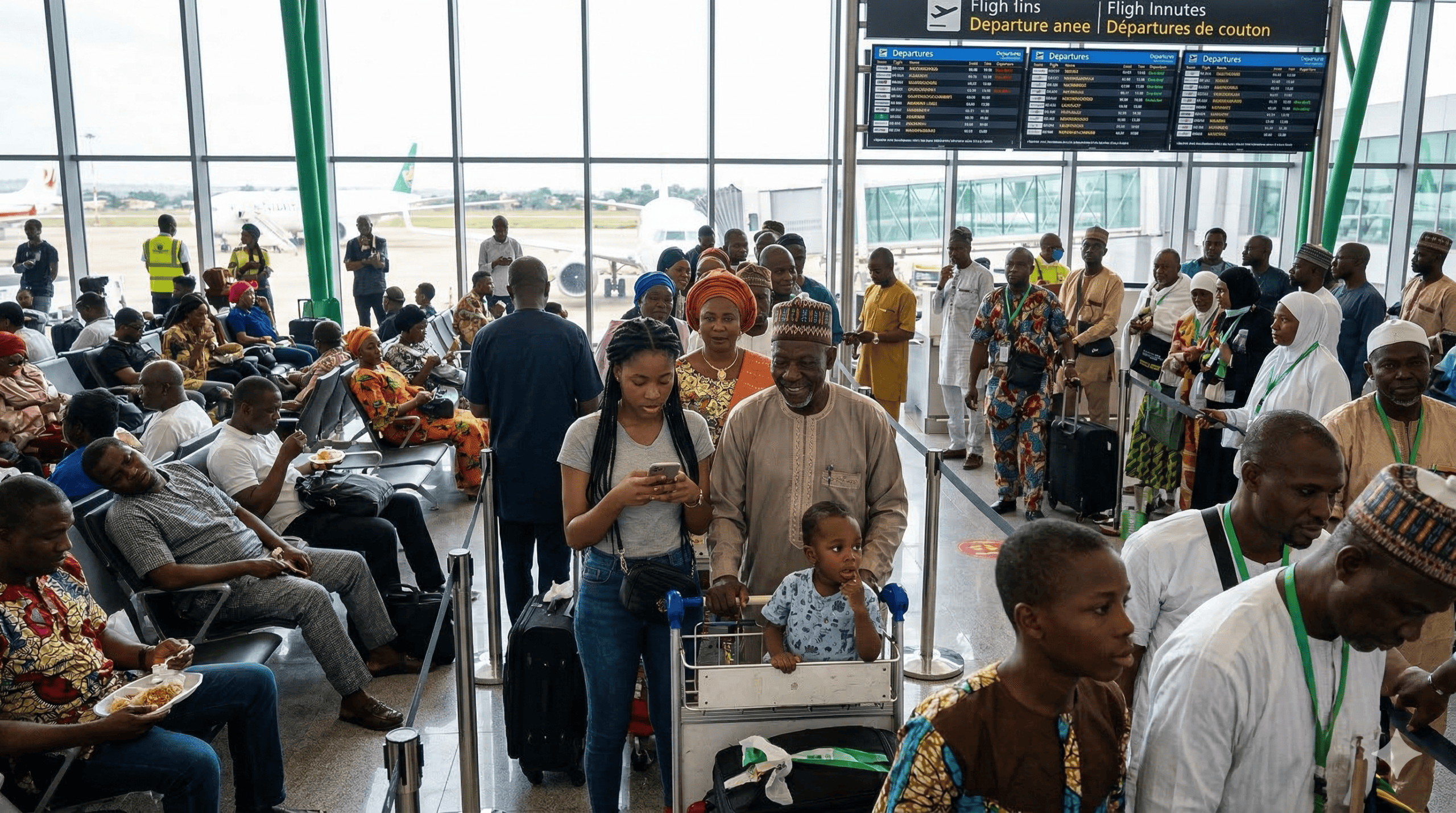

Booking cheap flights from Nigeria to South Africa right now feels less like planning a vacation and more like day-trading. One minute a fare looks reasonable; the next, a single browser refresh costs you ₦200,000.
Instead of playing roulette with airline algorithms, you need a strategy rooted in how carriers actually price this route. This 2026 breakdown bypasses the generic travel myths to give you an actionable blueprint: the precise booking windows to target, the carriers offering genuine value, and how to lock in your seat before the next sudden spike.
How Much Are Cheap Flights from Nigeria to South Africa?
Cheap flights from Nigeria to South Africa generally range from around $364 to $650 one way (approximately ₦570,000 to ₦1,020,000), depending on the airline, routing, and how far in advance you book. Return economy fares typically start from $522 and can exceed $1,200 during peak periods such as December and Easter.
Key price drivers include:
- How early you book (45 to 90 days ahead delivers the best economy fares)
- Whether you travel during peak seasons — December, Easter, or Nigerian school holidays
- Which airline and connection hub you choose (Addis Ababa, Nairobi, Kigali, Doha, or Dubai)
- The naira-to-dollar exchange rate at the time of booking
- Your departure airport — Lagos (Murtala Muhammed International Airport) versus Abuja (Nnamdi Azikiwe International Airport)
Route Price Comparison Table (Verified 2026 One-Way Economy Fares):
| Route | Approx. USD Range | Naira Estimate |
|---|---|---|
| Lagos to Johannesburg (OR Tambo) | $364 – $650 | ₦570k – ₦1.02m |
| Lagos to Cape Town (Cape Town International) | $420 – $720 | ₦660k – ₦1.13m |
| Abuja to Johannesburg (OR Tambo) | $380 – $700 | ₦595k – ₦1.10m |
Prices are indicative. Live fares change daily. Always compare before booking.
Why Cheap Flights from Nigeria to South Africa Vary in Price
If you have noticed that the same seat can cost three different prices on three different days, you are observing airline revenue management at work. Flights are not sold like groceries. There is no fixed shelf price. Instead, airlines use sophisticated yield management systems that constantly re-evaluate what each seat is worth based on dozens of variables simultaneously.
The distance between Lagos and Johannesburg spans roughly 4,500 kilometres. Add in currency risk for Nigerian passengers paying in naira, limited airline competition on the route, and consistent demand from the Nigerian diaspora and business travellers, and you have all the ingredients for significant price variance. Understanding this is the first step to consistently finding cheaper fares.
For a deeper look, read our complete guide on why flight prices fluctuate in Nigeria.
Airline Pricing Systems Behind Cheap Flights from Nigeria to South Africa
The prices you see online are the output of a system called revenue management — and it works against travellers who wait too long.
Airlines divide each aircraft cabin into invisible pricing tiers called fare buckets. The cheapest bucket contains the fewest seats, typically just two to five per flight. Once those are gone, the next bucket at a higher price opens automatically. The algorithm monitors booking pace, competitor pricing, historical demand, and remaining seat inventory. When it detects high demand, it closes cheaper buckets and opens more expensive ones.
Economy cabin inventory in simplified form:
- Ultra-budget bucket — fewest seats, opens early, sells out fast
- Standard discount bucket — mid-tier pricing, 45 to 90 days out
- Standard economy bucket — regular baseline pricing
- Last-minute flex bucket — premium pricing for urgent travellers
This is why the fare you see today will likely not be the fare you see next week on a busy corridor like Lagos to Johannesburg.
Demand and Supply Impact on Cheap Flights from Nigeria to South Africa
The Lagos to Johannesburg corridor is one of the busiest international routes in sub-Saharan Africa, serving Nigerian business executives, students, diaspora travellers in Gauteng and the Western Cape, and leisure visitors.
Supply remains constrained because only a handful of carriers operate the route. When seat inventory is low — due to a corporate conference in Johannesburg, a major event in Cape Town, or simply a peak holiday weekend — the airline’s revenue management system reads high demand and raises prices across the board. Booking well before supply drops is the most reliable way to secure a lower fare.
Exchange Rate Effects on Cheap Flights from Nigeria to South Africa
This is a dimension of airfare pricing that catches many Nigerian travellers off guard. International airfares are fundamentally priced in US dollars. When you pay in naira, you pay whatever the conversion rate is at that moment.
The International Air Transport Association (IATA) updates conversion rates weekly. This means that even if an airline does not change its dollar base fare, the naira price can rise automatically because the exchange rate has shifted. Since 2023, the naira has experienced significant volatility against the dollar, creating a double exposure for Nigerian travellers: fares can rise from airline pricing decisions, and they can also rise because the naira weakens.
Booking when you find a good dollar price — rather than waiting — is a strategy worth considering during periods of naira instability. Our article on how to find cheap international flights from Nigeria covers this in more detail.
Seasonal Trends Affecting Cheap Flights from Nigeria to South Africa
Understanding seasonal demand patterns is one of the most practical tools for finding cheaper fares. The Nigeria to South Africa corridor has clear peaks and troughs throughout the year.
Peak (most expensive) periods:
- December — by far the most expensive month. The combination of Christmas, New Year, and long school holidays drives fares 40 to 80 percent above the annual average. Book at least three to four months in advance if you must travel.
- Easter — a sharp spike, particularly on Lagos and Abuja departures. The week before and after Easter are consistently expensive.
- July and August — moderate price increases from South African school holiday demand.
Off-peak (cheapest) windows:
- January (after the New Year rush fades), February, May, June, September, and October are consistently the most affordable months on this route. These are the periods when cheap fare buckets stay open longest and promotional deals occasionally appear.
Japa migration windows — late August through September sees elevated demand as students and professionals heading abroad reduce available promotional seat inventory, even outside traditional holiday seasons.
For a full seasonal booking calendar, see our best time to book cheap flights from Nigeria guide.
Why Last-Minute Booking Reduces Your Chances of Cheap Flights from Nigeria to South Africa

There is a persistent myth that airlines sell unsold seats cheaply at the last minute. On the Lagos to Johannesburg corridor, the opposite is almost always true.
Airlines use urgency pricing models. They know that a passenger booking within 48 hours of departure is usually travelling for a business emergency or sudden visa approval, and has little choice but to fly. By the time you are within two weeks of departure, the cheap fare buckets are long gone. Last-minute bookings on this route routinely cost 30 to 100 percent more than fares booked eight to twelve weeks in advance.
The urgency of waiting also compounds FX risk. If the naira weakens between your initial search and your eventual booking, you pay more on two fronts. Our one-way vs round-trip flights from Nigeria guide includes a section on timing your booking for maximum savings.
Cheapest Airlines Offering Cheap Flights from Nigeria to South Africa
Not all airlines price the same route equally. Here are the carriers most Nigerian travellers use on this corridor and what you should know about each one.
Airline routing overview:
- Direct path: South African Airways (Lagos → Johannesburg non-stop)
- East African hubs: Ethiopian Airlines (via Addis Ababa) | Kenya Airways (via Nairobi)
- Central/Southern hubs: RwandAir (via Kigali) | TAAG Angola (via Luanda)
- Middle Eastern hubs: Qatar Airways (via Doha) | Emirates (via Dubai)
South African Airways
South African Airways currently operates direct non-stop flights from Lagos Murtala Muhammed International Airport (LOS) to OR Tambo International Airport (JNB), making it the only carrier offering a one-stop-free option on this route. Flight time is approximately 6 hours. Check current schedule availability before booking, as SAA’s network has been subject to periodic changes.
Ethiopian Airlines
Consistently one of the most competitively priced options, Ethiopian Airlines routes passengers through its Bole International Airport hub in Addis Ababa. Both Lagos and Abuja are served. Known for generous baggage allowances, reliable scheduling, and strong naira fare pricing. Total journey time is typically 10 to 13 hours.
RwandAir
Routing through Kigali International Airport, RwandAir offers some of the lowest economy fares on the corridor and is a strong option for budget-conscious travellers. Layover times can vary, and total travel time is longer, but the savings can be significant.
Kenya Airways
Connects Lagos and Abuja to Johannesburg and Cape Town via Nairobi’s Jomo Kenyatta International Airport. Competitive mid-tier pricing with regular promotional deals during off-peak months.
TAAG Angola Airlines
Routing via Luanda, TAAG has emerged as a competitive option with very low base fares on this route. Worth comparing, particularly for travellers flexible on departure times and layover duration.
Qatar Airways
Routes through Doha Hamad International Airport. Fares sit at the premium end in most seasons but flash sales can make them competitive. Strong service quality and modern aircraft — best suited for comfort-focused travellers or those combining with a Gulf stopover.
Emirates
Connects Lagos to Johannesburg and Cape Town via Dubai. Like Qatar Airways, their fares tend to be higher, but promotional periods can bring them into range. Excellent for premium economy and business class travellers.
For a full carrier comparison, see our guide to comparing flight prices like a pro.
Compare live fares right now or let the TBILS team find you the best available price on Nigeria to South Africa flights. Our agents monitor fare drops, airline promotions, and routing options daily. Contact TBILS for a free flight quote today.
Best Time to Book Cheap Flights from Nigeria to South Africa
The booking window is arguably more important than the travel date when it comes to price.
Ideal booking window: 45 to 90 days before departure for non-peak periods. For December and Easter, book 90 to 120 days in advance.
Day-of-week patterns: Fares on Nigerian routes tend to be slightly cheaper when searched and booked midweek — Tuesdays, Wednesdays, and Thursdays. Corporate travellers dominate Monday departures, while leisure passengers favour Fridays, making midweek flights less contested.
Cheapest departure months: January (post-Christmas rush), February, May, June, September, and October consistently offer the best fares.
Time of day: Early morning and late-night departures are typically priced lower than midday flights. A 6am departure can meaningfully reduce your cost.
Fare alert tools: Set up price alerts on Google Flights, Skyscanner, or Kayak, or ask TBILS to monitor fares on your behalf. This removes the need to check prices daily and ensures you act at the right moment. Read more in our secrets airlines don’t tell Nigerian travellers guide.
How to Find Cheap Flights from Nigeria to South Africa
Finding cheap flights from Nigeria to South Africa is a combination of strategy, tools, and timing.
Use flexible date search tools. Shifting your departure by even two to three days can yield savings of 20 to 40 percent. Use calendar view features on comparison platforms to find the cheapest day within your travel window.
Set fare alerts. Monitor your preferred route on multiple platforms simultaneously. Prices can drop significantly during airline promotions without warning.
Travel midweek. Tuesdays and Wednesdays are generally the cheapest departure days on this corridor.
Compare all airlines. Ethiopian Airlines, RwandAir, Kenya Airways, TAAG, South African Airways, Qatar Airways, and Emirates all price the same route differently on the same dates. Never default to one carrier without checking the others.
Compare departure airports. Lagos has more flight options and greater competition, which usually means better fares. Abuja occasionally offers better connection timings that reduce overall journey cost.
Compare layover cities. A routing via Addis Ababa or Kigali may cost significantly less than a routing via Doha or Dubai, even if total journey time is similar.
Work with a specialist travel agency. TBILS monitors live fare data and has access to consolidated fares and group pricing not visible on public booking engines. For complex itineraries or time-sensitive bookings, a specialist can often find prices that online tools miss.
Common Mistakes Nigerians Make When Booking Cheap Flights from Nigeria to South Africa
Booking too late. Waiting until travel dates are confirmed is the single most expensive habit. Prices on the Lagos to Johannesburg corridor rise sharply inside the 30-day window. A smarter approach is working with TBILS to explore flexible ticket holds while finalising documentation.
Ignoring layover quality and visa requirements. A cheap fare with a 14-hour layover in Doha or Addis Ababa may not be the bargain it appears when you factor in airport meals, a transit hotel, and fatigue. More critically, some connecting countries require a transit visa — missing this detail can mean unexpected costs or denied boarding. Always verify transit requirements before booking. Read our guide on secrets airlines don’t tell Nigerian travellers for more on this.
Not comparing all airlines. Many Nigerian travellers default to one or two familiar carriers. Running a proper comparison across all airlines on the corridor can reveal significant price differences on the same dates.
Mistiming the FX conversion. Paying in dollars is almost always cheaper than paying in naira if the exchange rate is unfavourable at the time of booking. Having a dollar card or knowing how to make international card payments can save thousands of naira on a single transaction.
Booking one way when a return is cheaper. It sounds counterintuitive, but airline pricing sometimes makes a return ticket cheaper than two separate one-way fares. Always compare both options. Our one-way vs round-trip guide explains when each option wins.
Overlooking ancillary costs. A low base fare that charges separately for checked luggage, seat selection, and meals can end up costing more than a slightly higher all-inclusive ticket. Always calculate the total cost of travel, not just the headline fare.
Cheap Flights from Nigeria to South Africa: Full Travel Cost Breakdown
Getting the flight is only part of the travel budget. Here is what a Nigerian traveller should realistically budget for a complete trip to South Africa in 2026.
Flights (return economy): $522 to $1,200 depending on airline and booking window (approximately ₦820,000 to ₦1.88m)
South Africa Visa: Nigerian passport holders require a visa to enter South Africa. The base government fee is approximately R425 (around ₦10,400), with additional VFS Global service fees of approximately ₦29,400 at Lagos or Abuja centres. Allow a minimum of 15 working days processing time — apply at least four weeks before travel.
Travel Insurance: Budget ₦45,000 to ₦95,000 for a comprehensive single-trip policy. Some South African visa applications require evidence of travel insurance, making this non-optional.
Accommodation (Johannesburg or Cape Town): Budget accommodation from $20 to $40 per night. Mid-range hotels in Sandton (Johannesburg) or the V&A Waterfront area (Cape Town) run $50 to $110 per night. A 7-night mid-range stay budgets for approximately $350 to $770.
Airport transfers and local transport: Johannesburg’s OR Tambo International Airport has metered taxis, Uber, and the Gautrain rail link to the city centre. Budget $15 to $40 per trip depending on your destination.
Meals and daily expenses: South Africa is relatively affordable for Nigerians. Daily budgets of $30 to $60 cover most bases comfortably, including dining, inner-city transport, and standard tourist activities.
Total estimated budget (7-night trip, economy class, mid-range): Approximately $1,200 to $2,800 (₦1.88m to ₦4.4m)
For travellers planning UK or Canada trips, see our guides on cheap flights from Nigeria to the UK and best deals on flights from Nigeria to Canada.
Planning your South Africa trip and need help with flights, visa guidance, or travel insurance? The TBILS team handles the full booking process. Request a free quote now and tell us your travel dates.
Frequently Asked Questions
Final Thoughts: Booking Cheap Flights from Nigeria to South Africa in 2026
The Nigeria to South Africa route is one of Africa’s busiest and most dynamic flight corridors. Prices shift daily based on demand, airline strategy, and the naira exchange rate. But travellers who book early, compare all airlines, target the right seasonal windows, and work with experienced travel professionals will consistently pay less than those who wait and hope.
Whether you are heading to OR Tambo International Airport in Johannesburg or Cape Town International Airport, the approach is the same: research early, book smart, and let the numbers guide your timing.
Ready to book? Let TBILS do the heavy lifting. Our team compares live fares across all airlines on the Nigeria to South Africa corridor, monitors price drops, and handles your full booking from flight to visa guidance. Contact TBILS today for your personalised South Africa travel quote — and travel with confidence.