Flight Pricing Explained · Nigeria
Why Flights Are Expensive in December in Nigeria
Detty December gets the blame, but the real story behind Nigeria’s eye-watering December airfares is a mix of demand, jet fuel, forex and a shrinking domestic fleet. Here’s what’s actually driving the prices — and how to fly for less anyway.
Quick answer
December flights in Nigeria cost more because of a demand-and-supply squeeze layered on top of rising operating costs. Millions of diaspora Nigerians fly home for the "Detty December" season at the same time domestic seat capacity has actually been shrinking, while airlines are also absorbing volatile jet fuel prices, a weak naira that makes imported fuel and spare parts more expensive, and multiple layers of taxation. Domestic routes that cost around ₦35,000–₦40,000 off-peak have been reported at ₦200,000–₦650,000 during recent Decembers, and international routes into Lagos and Accra have more than doubled over the same period.
The Detty December demand surge
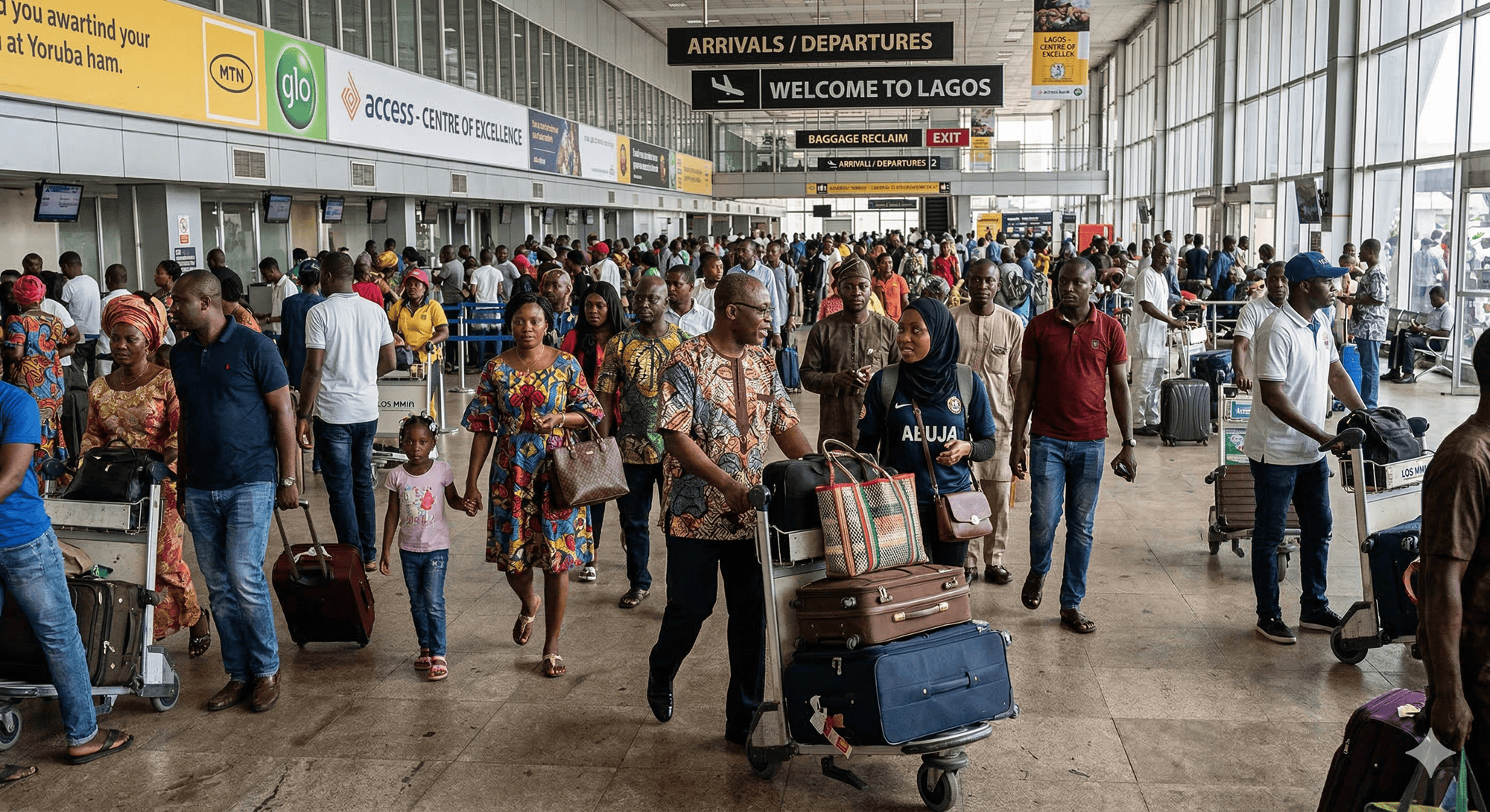
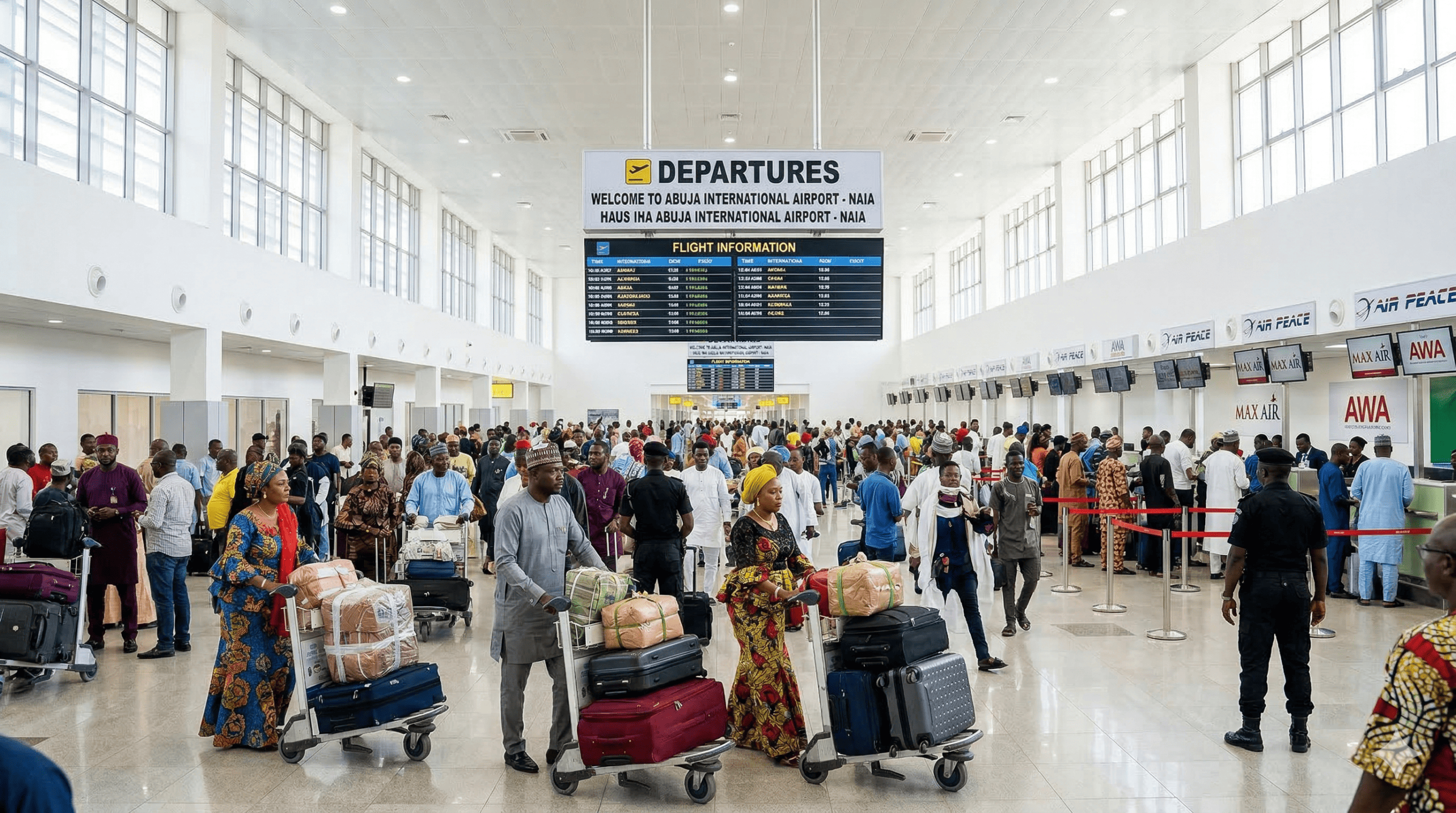
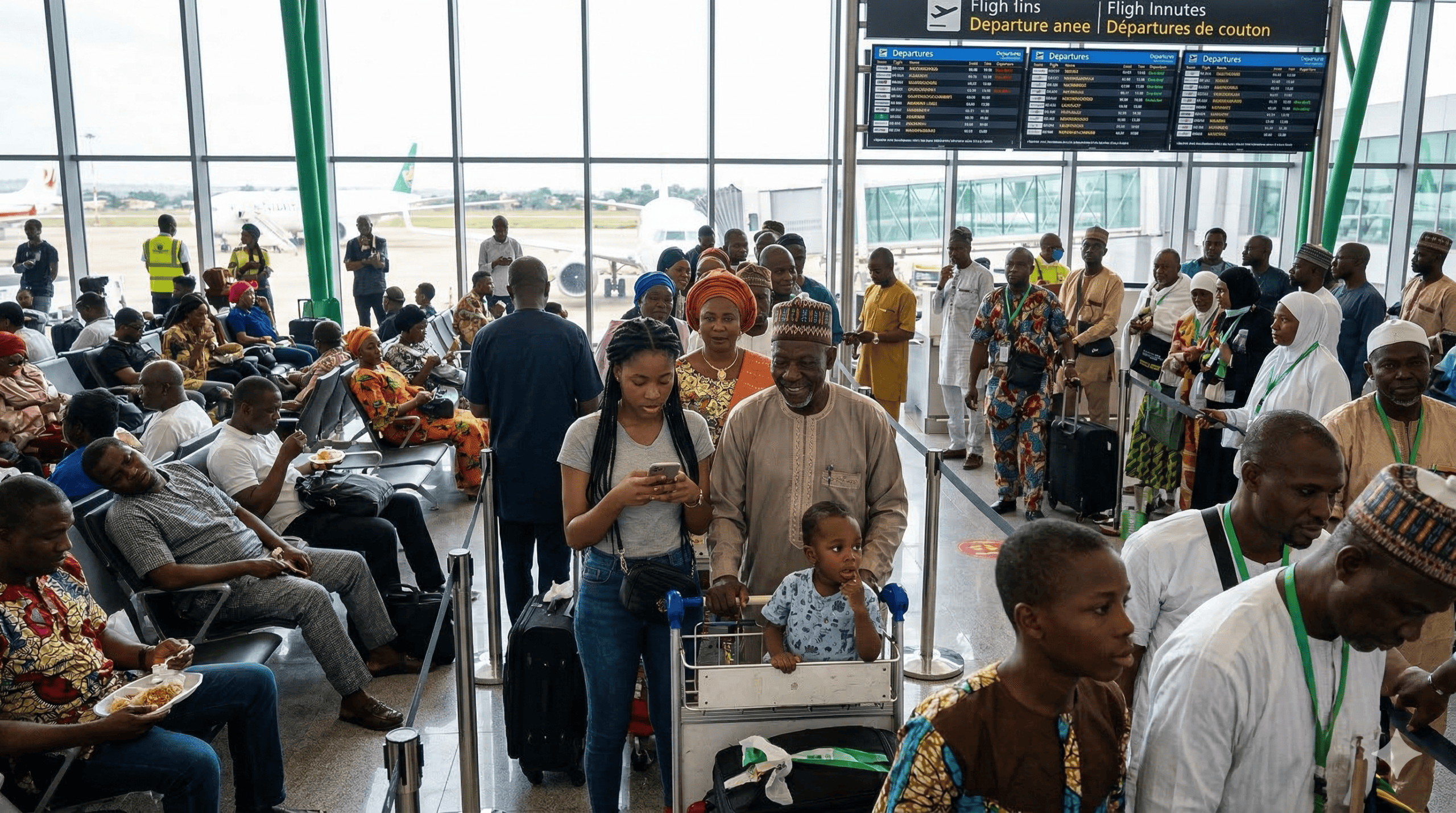
"Detty December" is no longer just slang — it’s become a measurable economic event. Lagos alone was estimated to have generated more than $71 million in Detty December revenue in 2024, driven by concerts, weddings, homecoming parties and the steady wave of diaspora Nigerians flying in for the holidays. Every one of those visitors needs a seat, and most of them want to land within the same three-week window around Christmas and New Year.
That concentrated demand collides with a supply side that isn’t growing to meet it. Nigeria’s domestic airline capacity actually fell by roughly 7.5% year-on-year in December 2025, even as neighbouring markets like South Africa and Kenya expanded capacity for their own peak seasons. Fewer seats, the same (or bigger) crowd of travellers — that combination alone would push fares up even before you factor in cost inflation.
How far fares actually climb
Numbers make this easier to picture. Domestic routes that trade at a fairly stable baseline for most of the year get reported at three, four, even five times that price by the third week of December. Here’s a rough picture of how a popular route like Lagos–Abuja has been reported to move through the year:
baseline
November
November
Dec 20–31
Illustrative range built from fares reported in Nigerian aviation coverage and Senate testimony during recent December seasons, not a live price feed. Individual routes, dates and airlines vary — but the shape of the climb is consistent across most domestic corridors every year.
The structural cost problem behind the surge
Demand explains why prices can rise. It doesn’t fully explain why they rise that much. The other half of the story is what it now costs Nigerian airlines to put a plane in the air at all:
- Jet fuel now eats up 30–35% of operating costs. Aviation fuel (Jet A1) prices in Nigeria have been extremely volatile, with reported spikes of over 100% within a matter of weeks tied to global oil-price shocks and Middle East tensions. Airlines that budget a route around one fuel price can find it has moved sharply by the time the flight departs.
- A weak naira makes almost everything else more expensive too. Fuel, spare parts, aircraft leasing and maintenance are largely priced in dollars. When the naira depreciates, or when airlines can’t access dollars at official rates and have to source forex elsewhere, those costs land directly on the ticket price.
- Multiple taxation and regulatory charges. Nigerian operators have repeatedly flagged the number of separate charges and levies layered onto each ticket as a structural cost that airlines in less-taxed markets don’t carry.
- An aging, shrinking fleet. Maintenance downtime and aircraft shortages reduce the number of seats airlines can actually put on sale, which tightens supply right when demand peaks.
None of this is unique to December — it’s a year-round cost pressure on Nigerian aviation. December just concentrates the effect, because it’s the one month where airlines can also count on selling every seat regardless of price, which removes the usual incentive to compete on fare.
It isn’t just domestic routes
The same pattern shows up on international routes into Nigeria and its West African neighbours. Round-trip fares from Houston to Lagos, which typically range from around $1,400 to $2,000 in economy for most of the year, have been reported climbing to roughly $4,300 for travel spanning late December into early January. Washington Dulles to Accra shows a similar pattern, with December fares more than double the typical off-season average.
The takeaway: if your December trip involves connecting through a diaspora hub city like London, Houston, New York or Toronto before heading into Lagos or Abuja, the surge isn’t just a Nigerian domestic phenomenon — it’s baked into the whole itinerary.
Price surge or price gouging? What regulators are saying
The scale of the December jump has drawn scrutiny from Nigerian lawmakers and regulators, not just frustrated travellers. In December 2025, the Senate summoned the Minister of Aviation and major airline operators over fares on routes like Abuja–Lagos, which had been reported between ₦400,000 and ₦650,000, calling the increases exploitative. The Federal Competition and Consumer Protection Commission has also examined whether some fare increases reflected coordinated price-setting rather than cost pass-through, noting cases where fares reportedly rose sharply even during periods when fuel prices, taxes and exchange rates were relatively stable.
Airline operators, for their part, maintain that pricing is driven by survival economics rather than profiteering — pointing to fuel, forex access and taxation as costs largely outside their control. Both threads are part of the same ongoing conversation about Nigerian aviation, and neither fully cancels the other out: cost pressures are real, and so is the scrutiny over how much of the December premium reflects those costs versus what the market will simply bear. It’s worth watching for updates from the FCCPC and the National Assembly if this affects your travel planning.
How to protect yourself from the December squeeze
Book early
August–October
Fares climb steeply from mid-November onward. Booking in the off-peak months, at minimum 8–10 weeks before travel, is the single biggest lever you control.
Fly early morning
Before 7am
Early departures see less demand than daytime or evening flights, and tend to run more reliably during the busiest weeks.
Stay flexible
Shift by days, not weeks
Travelling a few days before or after the Dec 20–31 peak window, where your plans allow, can meaningfully change the fare.
It’s also worth signing up directly for airline promo lists — Ibom Air, Air Peace and Green Africa have all been known to release early-bird holiday fares through email before wider public demand catches up. And if the cash-flow timing is the real obstacle rather than the fare itself, booking your seat early with an installment plan lets you lock in a price before the November climb, then spread the payment ahead of departure.
Frequently asked questions
Why do flights cost more in December in Nigeria?
A concentrated wave of diaspora travel and "Detty December" demand meets a domestic seat supply that has actually been shrinking, while airlines separately absorb volatile jet fuel prices, a weak naira, and multiple taxation on top of that base demand pressure.
How much do Lagos–Abuja flights cost during Detty December?
Fares that sit around ₦35,000–₦40,000 for most of the year have been reported reaching ₦200,000 to as high as ₦650,000 in the peak week between Christmas and New Year, based on recent industry reporting and Senate testimony. Exact prices vary by airline, date and how far ahead you book.
Is the Nigerian government investigating December airfare hikes?
Yes. The Senate summoned the aviation minister and major airlines in December 2025 over fare levels on key domestic routes, and the Federal Competition and Consumer Protection Commission has examined whether some fare increases reflected coordinated pricing rather than cost pass-through. Airlines maintain the increases largely reflect real operating costs.
Why does jet fuel affect Nigerian ticket prices so much?
Aviation fuel typically makes up 30–35% of a Nigerian airline’s operating costs, and Jet A1 prices have been highly volatile, at times rising by more than 100% within weeks due to global oil-price shocks. Because fuel is largely imported and priced in dollars, naira depreciation compounds the effect.
When should I book flights to avoid the December price surge?
Aim to book by October at the latest, and ideally in August or September. Fares typically start climbing sharply from mid-November, and the steepest jump lands in the final week before Christmas.
Can I still find affordable December flights from Nigeria?
Yes, with early booking, flexible dates around the Dec 20–31 peak, and early-morning departures. TBILS also offers an installment plan that lets you lock in a fare before the November price climb and spread the balance ahead of departure.
Beat the December price climb
TBILS compares 100+ airlines out of Lagos, Abuja and Port Harcourt, and lets you lock in your December fare now with an installment plan — before prices climb.
Search flights now →